How Massage Lowers Stress: The Science of Cortisol and Relaxation
What Happens to the Body Under Stress
Stress is not just a feeling — it is a measurable physical response. When the brain perceives demand or threat, the sympathetic nervous system activates: heart rate rises, breathing quickens, muscles brace and the body releases stress hormones, including cortisol and adrenaline.
In short bursts this response is useful. The problem is that modern life keeps it switched on. Work pressure, screens, poor sleep and constant stimulation leave many people in a low-grade state of alertness that never fully switches off. Over time that contributes to tension headaches, tight shoulders, poor sleep, irritability and fatigue.
The Role of Cortisol
Cortisol is often called the stress hormone. It helps regulate energy, blood sugar and inflammation, and it follows a daily rhythm that peaks in the morning and falls at night. Chronic stress disrupts that rhythm, keeping cortisol elevated when it should be falling.
Elevated cortisol is associated with poorer sleep, weight changes, reduced immune function and a constant sense of being wired but tired. Lowering stress is not just about feeling calmer — it is about helping the body return to a healthier baseline.
How Massage Influences the Stress Response
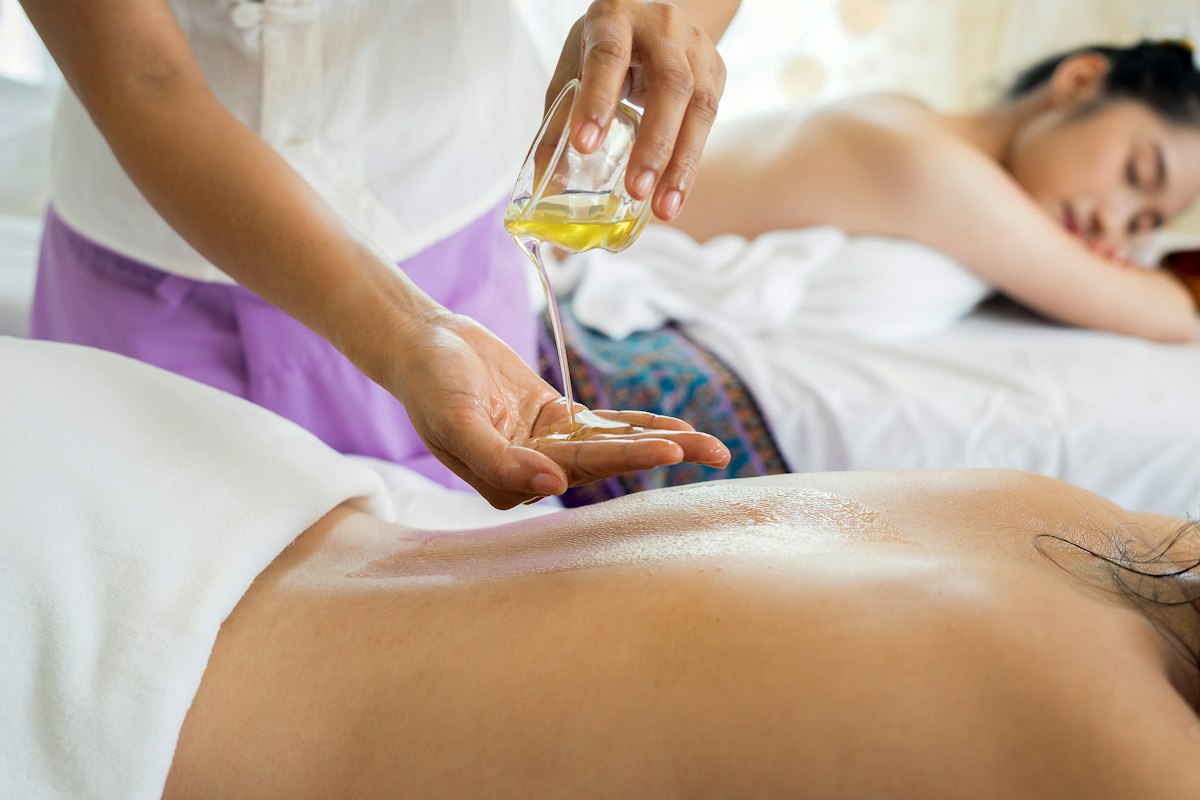
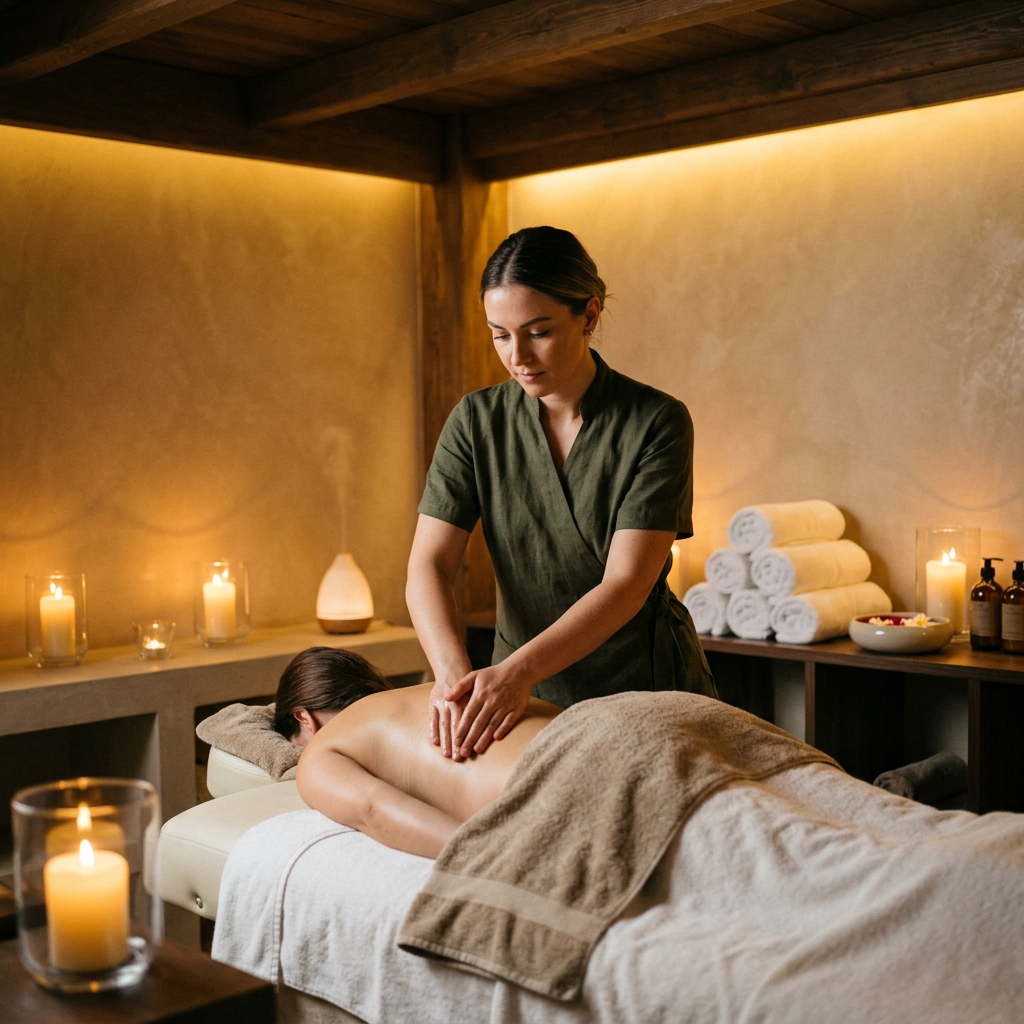
Massage appears to work on stress through several pathways. The physical pressure and rhythm of touch activate the parasympathetic nervous system — the rest-and-digest branch that counters the fight-or-flight response. Heart rate and breathing slow, and the body shifts toward recovery.
Massage also reduces muscle tension directly. Tight neck and shoulder muscles are a common physical signature of stress, and releasing that tension can break the feedback loop where physical tightness reinforces mental alertness.
What the Research Suggests
A number of studies have measured cortisol and other stress markers before and after massage. Many report short-term reductions in cortisol and salivary stress markers, alongside increases in oxytocin and serotonin. The effects are not permanent, but regular sessions appear to produce cumulative benefits over weeks.
It is worth being honest about the limits of this evidence. Massage is not a medical treatment for anxiety or depression, and the effects vary between individuals. What the research does support is that massage is a genuinely useful component of a broader stress-management routine.
Building a Stress-Reduction Routine
Massage works best as part of a layered approach. Pair it with consistent sleep, regular movement, time outdoors and simple breathing practices. A monthly massage is far more effective when the days between sessions also include recovery, rather than a single calm hour followed by weeks of strain.
If stress is persistent or affecting your daily life, speak to a healthcare professional. Massage is a powerful wellbeing tool, but it is not a substitute for medical care when it is needed.